
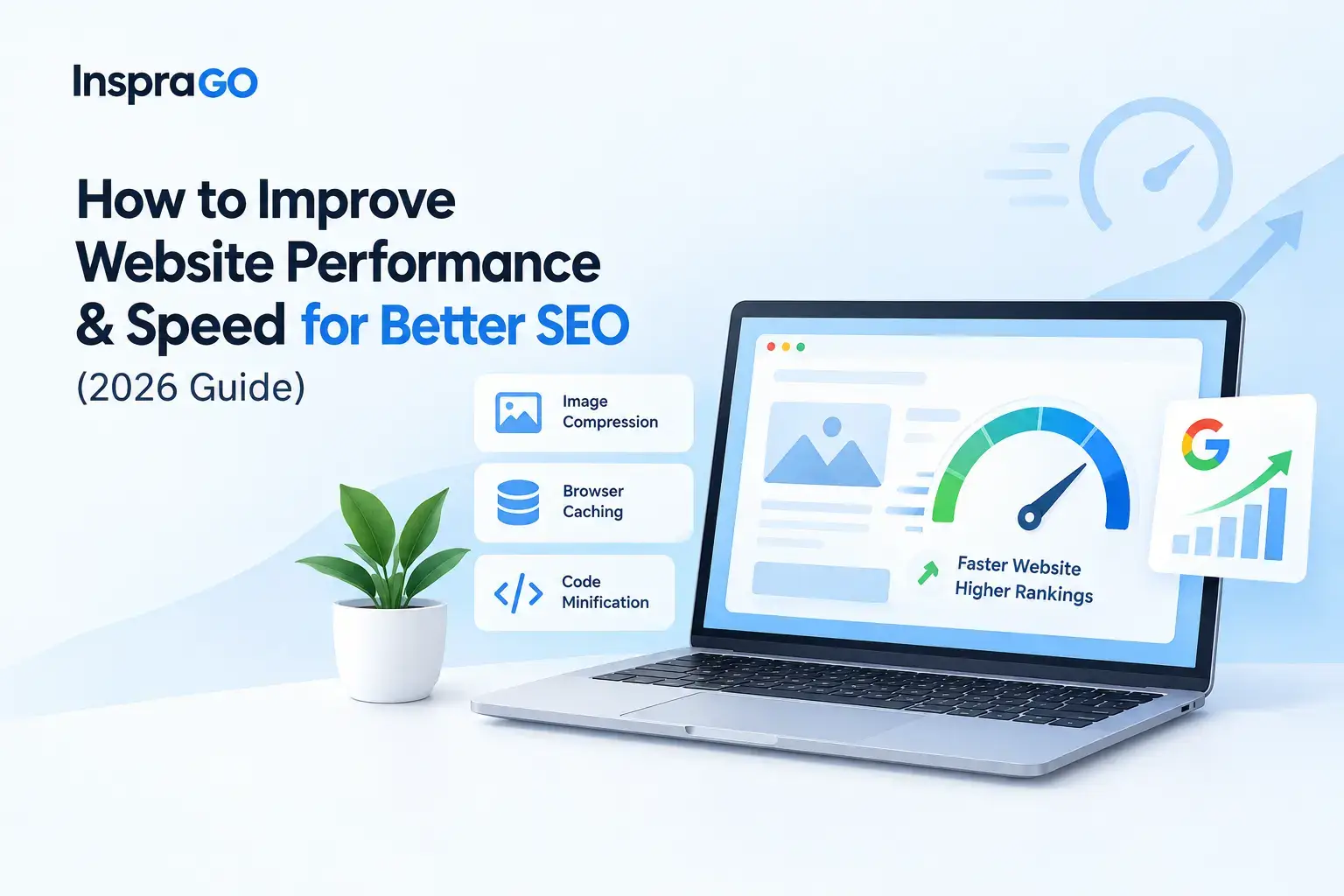


What is Website Speed Optimization?
Simply put, Website Speed Optimization refers to the process of enhancing your website’s loading time through various technical improvements and best practices. Essentially, it focuses on delivering content efficiently so that visitors can access pages quickly without delays.
Moreover, faster websites encourage users to explore more pages, which boosts engagement metrics. In fact, search engines like Google also reward faster websites with higher rankings, demonstrating that speed is not only important for users but also for visibility. Factors affecting website speed can range from server performance and coding efficiency to image sizes and the number of plugins used. Therefore, understanding these elements is crucial before attempting any optimization.
Why Website Speed Optimization Matters for Your Business
There are multiple reasons why Website Speed Optimization is critical for businesses and website owners alike. First, it significantly improves user experience. For instance, studies reveal that a one-second delay in page load can result in a 7% reduction in conversions. Consequently, slow websites risk losing potential customers.
Furthermore, search engines prioritize faster websites. Therefore, optimizing your website speed can enhance SEO rankings, making it easier for prospective users to find your content.
Here are 5 key benefits:
- Improved User Experience: Visitors stay longer when pages load quickly, reducing bounce rates.
- Higher Conversion Rates: Faster websites increase the likelihood of users completing desired actions, such as making a purchase or signing up.
- Enhanced SEO Performance: Search engines reward quick-loading pages, boosting organic traffic.
- Better Mobile Experience: Mobile users, in particular, expect seamless navigation, and a slow website can lead to frustration and abandonment.
- Reduced Server Strain: Efficient websites use resources optimally, decreasing hosting costs and enhancing reliability.
01
Key Factors Affecting Website Speed
To achieve effective Website Speed Optimization, it is essential to address multiple technical factors simultaneously:
- Image Optimization: Large, uncompressed images slow down loading. Therefore, using formats like WebP and compressing images without sacrificing quality can dramatically improve speed.
- Browser Caching: By enabling caching, frequently accessed resources are stored locally in the user’s browser. Consequently, repeat visitors experience faster load times.
- Minifying CSS, JavaScript, and HTML: Removing unnecessary characters, spaces, and comments in code can significantly reduce page size and improve performance.
- Content Delivery Network (CDN): CDNs distribute website content across multiple servers worldwide. As a result, users can access content from the nearest server, speeding up delivery.
- Server Performance: Choosing a reliable, high-performance server reduces latency and ensures that pages load efficiently, even during peak traffic periods.
Practical Steps to Improve Website Performance
Implementing Website Speed Optimization strategies can be straightforward if approached systematically. Here are practical tips to enhance your site:
- Enable Gzip Compression: This reduces the size of files sent from the server to the browser, which speeds up load times.
- Leverage Browser Caching: Store static resources locally for repeat visitors to improve return visit speed.
- Reduce HTTP Requests: Combine CSS and JavaScript files to minimize server requests.
- Use Asynchronous Loading for Scripts: This ensures that scripts do not block page rendering.
- Optimize Images and Videos: Compress media files and use the appropriate formats for faster delivery.
- Upgrade Hosting Plan: Choose a hosting solution that can handle traffic spikes efficiently.
02
LET'S GROW TOGETHER
Optimize your website speed & secure top rankings on Google.
EXPLORE OUR SEO SERVICESMonitoring and Testing Website Speed
Moreover, ongoing monitoring is vital for maintaining optimal website speed. Tools like Google PageSpeed Insights, GTmetrix, and Pingdom offer insights into page performance and suggest improvements.
Key metrics to monitor include:
- Page Load Time: The total time taken for a page to fully load.
- Time to First Byte (TTFB): Measures server responsiveness.
- Largest Contentful Paint (LCP): Time for the largest visible content element to load.
- Cumulative Layout Shift (CLS): Ensures visual stability during loading.
By using these tools regularly, website owners can identify bottlenecks and continuously optimize their pages for both users and search engines.
Future-Proofing Your Website Speed Strategy
Furthermore, staying ahead in the digital space requires future-proofing your website. As technology evolves, adopting advanced techniques ensures sustained performance.
Some emerging strategies include:
- Lazy Loading: Loads images and videos only when they appear on the user’s screen.
- Server-Side Rendering: Improves dynamic content delivery speed.
- AI-Based Optimization Tools: Automatically analyze and enhance website performance.
Therefore, by integrating these modern practices, websites remain fast, competitive, and user-friendly.
Conclusion: Collaborate with Experts
Ultimately, achieving effective Website Speed Optimization involves both strategy and technical expertise. Collaborating with professionals, such as Insprago, can ensure seamless implementation and sustained performance improvements. By partnering with our interactive web development and SEO & speed optimization services, businesses can guarantee that their websites remain fast, optimized, and user-centric. Consequently, this approach not only improves user experience but also strengthens online visibility and engagement.